
What Are the Thermal Properties of PCBs?
Thermal Properties of PCBs
Effective thermal management in printed circuit board (PCB) fabrication and assembly prevents components from overheating and ensures that signals can be transmitted with minimal interference. It also helps prolong the lifespan of circuit boards and reduces maintenance costs. The thermal characteristics of a PCB are influenced by a number of factors, including the materials, design, and manufacturing processes used to produce it. In order to minimize these risks, manufacturers must consider a range of environmental, electrical, and thermal criteria during the design stage.
During the design phase, PCB designers must carefully select all of the components and materials that will be used for the project. Metal core and dielectric material selection is especially crucial, as they will determine the thermal and electronic demands of the circuit. Aluminum and copper are the most popular metal core materials, but they can be combined with a variety of different dielectrics to meet specific requirements.
The thermal conductivity of a substrate is another important factor to consider when choosing a material. This measure of heat transfer defines the rate at which a substrate can dissipate heat to its environment. Thicker copper traces, for example, have higher thermal conductivity than thinner ones and can more easily disperse the heat generated by current paths.
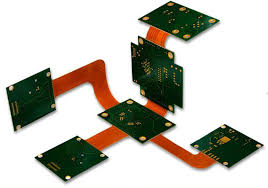
What Are the Thermal Properties of PCBs?
Moisture absorption is also a critical characteristic of a pcb fabrication assembly substrate, as it influences its thermal and chemical properties. A high moisture content can slow the curing reaction of epoxy-based adhesives, which can negatively impact the thermal resistance and thermal stability of a circuit board. Moisture absorption is also a concern for flex circuits, since it can impede the integrity of the conductive anode filament and potentially lead to arcing.
The coefficient of thermal expansion, or CTE, is an important attribute to consider when selecting a PCB material. This value describes how much a material expands or contracts as its temperature changes. A high value can cause stress on thin conductors, leading to premature failure. Ideally, a PCB material should have a low CTE value and a stable value over its operating temperature range.
The realm of PCB fabrication and assembly has evolved significantly, with advancements in materials, manufacturing processes, and automation playing a pivotal role in meeting the demands of modern electronics. As devices become smaller, faster, and more efficient, PCB technology must also advance to accommodate these innovations while maintaining quality and reliability.
One of the key trends in PCB fabrication is the move towards High-Density Interconnect (HDI) boards. These boards are characterized by their use of microvias, blind vias, and buried vias, which allow for higher component density and better electrical performance. HDI technology enables the creation of compact, multi-layer PCBs with finer trace widths and tighter spacing. This is particularly important in applications like smartphones, wearable devices, and high-performance computing, where space is at a premium.
A good choice for a PCB substrate material is FR4, which has a CTE along the X and Y axes that is lower than copper’s. It is also highly resistant to methylene chloride, which can damage or degrade the copper in a conductor. Using a methylene chloride-resistant substrate material can also reduce the risk of contamination during assembly and soldering.