
What coatings are used on PCB flex rigid boards?
coatings are used on PCB flex rigid boards
Rigid flex circuits provide a combination of flexibility and structural integrity for applications like automotive, aerospace, and medical devices. These circuits are constructed on a base of polyimide or polyester-based films as thin as 12-120 microns. Conductive material traces are etched into these layers. A coverlay then protects the traces from moisture and dirt during assembly and shipping. Rigid flex circuits also often have stiffeners to support component areas. Stiffeners can be made of localized rigid materials like FR4 or Kapton that are attached with either thermally cured acrylic adhesives or pressure-sensitive adhesives. These materials can relieve strain, balance weight, and improve abrasion resistance while strengthening solder joints.
Conductor materials for pcb flex rigid boards include electro-deposited and rolled copper foils. These foils undergo surface treatment to improve adhesion, prevent oxidation, and enhance bond strength. They can be plated with different metals depending on the circuit’s requirements. Rigid flex circuits generally use 0.5oz or 1oz of copper, and can also contain a flexible conductive layer known as bondply.
When designing a pcb flex rigid, it’s important to select the right materials and to understand how they interact with each other. Using different materials for the rigid and flex sections of a board can cause temperature variations that can damage signal quality, interfere with electromagnetic interference (EMI), or increase the risk of failure. Choosing the right bend radius is also vital. A too-small radius can lead to mechanical failure and impose stress on the flex section.
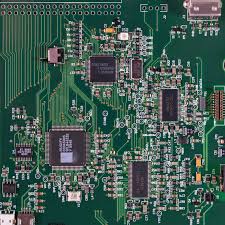
What coatings are used on PCB flex rigid boards?
A good fab drawing for a rigid-flex circuit includes detailed information about the flex and rigid sections of the board. This information should include a list of flex materials, the corresponding rigid material, and their stack-ups. It should also include dimensions, flexible and rigid layers, and plating requirements. It is important to provide a detailed and accurate design for your rigid-flex PCB so that it can be built on time.
During the fabrication of a rigid-flex PCB, the layering between copper and polyimide is critical to its performance. The layers should be matched so that they are parallel with each other, and the edges of the copper should be flush with the edges of the polyimide. This helps reduce the chance of cracks and gaps, which can compromise the stability of the rigid-flex circuit.
Another important aspect of a rigid-flex PCB is the adhesives used to attach the copper and polyimide layers. Acrylic adhesives can be used in the flexible sections and epoxy in the rigid sections. Acrylic adhesives remain malleable after curing and are a better choice for dynamic applications. Epoxy is a better option for static applications because it cures hard.
Rigid-flex circuits are sometimes exposed to harsh environments, so they must be designed to withstand environmental factors such as moisture and corrosion. This can require careful planning, simulation, and testing between the PCB designer, fabricator, and assembler. A rigid-flex PCB that meets its specification and performs as intended will have a long lifecycle.