
What Certifications Are Needed For PCB Board Fabrication?
PCB Board Fabrication
There are several certifications that are needed to ensure a PCB board fabrication process adheres to manufacturing standards. This minimizes the risk of quality issues and compliance problems, which can save money, time, and resources for the fabricator.
Printed circuit boards (PCBs) are an essential part of many devices. From mobile devices to industrial controls, they’re a crucial technology for distributing electrical signals to and from the device. This is made possible through a series of layers that connect to each other via copper traces. These traces are similar to the nervous system’s pathways that carry signals between your brain and muscles.
The first layer of a PCB is the substrate, which is a core material that provides strength and resists breakage. It is also often coated with solder mask and silkscreen, which help to prevent components from shorting out on the underlying copper traces.
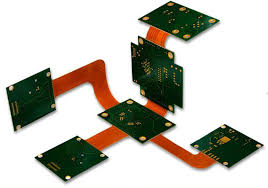
What Certifications Are Needed For PCB Board Fabrication?
On top of the substrate, copper is laid, either as a full layer or as foil. This is then covered by a film that contains a photo/image of the completed board, detailing traces and component mounting locations. This is then placed in a developer solution, which etch away the areas of the board that do not have copper on them. This is a very critical step in the process, as the wrong amount of acid or exposure time could result in damage to the circuit board.
Once the traces and pads are etched, the surface of the copper is then treated with chemicals to make it conductive. This is done with different methods depending on the requirements of the specific pcb board fabrication. For example, high-reliability PCBs need to be treated with more care than consumer electronics, as any failure or error would likely cause injury or death. For this reason, they need to be fabricated to the highest standards.
In addition to ensuring that all of these steps are executed properly, a good PCB manufacturer will have a quality management system in place and adhere to industry certifications. This is important because it establishes minimum guidelines that operations must follow, which in turn reduces scrap, rework, and waste. Additionally, partnering with a manufacturer that adheres to these standards can streamline the regulatory approval process and save time.
The first stage in fabrication involves preparing the raw materials. A standard PCB is made from a substrate material, such as fiberglass-reinforced epoxy resin (FR4), which provides structural integrity and insulation. The substrate is laminated with a thin layer of copper on one or both sides, depending on whether a single-layer or double-layer PCB is being produced. For multi-layer PCBs, several layers of copper and substrate are stacked and bonded together with adhesive materials under heat and pressure.
There are numerous ISO, UL, and IPC certifications that PCB manufacturers may need to meet. While they may vary in scope, some of the most important are ISO 9001, UL 796, and UL 94. For medical devices, a manufacturer must also be certified to the ISO 13485 standard. This is a stricter version of the QMS standard that is built around quality assurance, and it is especially important for medical-grade products. This helps ensure the safety of patients and reduces the risk of liability for the manufacturer.