
How do you ensure quality control in Printed circuit assembly services?
Printed circuit assembly services
Ensuring quality control in printed circuit assembly services is paramount to guaranteeing the reliability, functionality, and longevity of electronic devices. Quality control encompasses a range of processes and techniques implemented throughout the assembly process to detect and address defects, errors, and inconsistencies, thereby ensuring that the finished products meet the required standards and specifications.
One of the primary methods used to ensure quality control in printed circuit assembly services is visual inspection. Visual inspection involves visually examining assembled PCBs and electronic components for defects such as misalignment, solder bridges, missing components, and solder joint defects. Trained inspectors use magnification tools, such as microscopes and magnifying glasses, to inspect the assembly under high magnification, enabling them to identify even the smallest defects that may affect the performance or reliability of the product.
Automated optical inspection (AOI) is another essential quality control technique used in printed circuit assembly services. AOI systems utilize cameras and image processing algorithms to inspect assembled PCBs for defects quickly and accurately. These systems can detect defects such as component misplacement, solder joint defects, and solder paste defects with high speed and precision, significantly reducing inspection time and enhancing overall production efficiency.
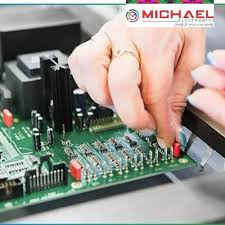
How do you ensure quality control in Printed circuit assembly services?
X-ray inspection is a critical quality control technique used to inspect the internal structure and integrity of assembled PCBs, particularly for complex or densely populated assemblies where visual inspection may be insufficient. X-ray inspection systems can penetrate the PCB and detect defects such as solder voids, hidden solder joints, and component alignment issues that may not be visible to the naked eye or detectable with AOI. This non-destructive testing method provides valuable insights into the quality and reliability of the assembly, enabling manufacturers to identify and rectify defects before they impact product performance or reliability.
Functional testing is an essential quality control process used to verify the functionality and performance of assembled electronic devices under real-world operating conditions. Functional tests are conducted using specialized test equipment and software to simulate various operating scenarios and evaluate the device’s response and output. These tests verify critical functions such as power supply, signal integrity, communication protocols, and sensor readings, ensuring that the device meets the required performance specifications and operates reliably in its intended application.
In addition to inspection and testing techniques, effective quality control in printed circuit assembly services also involves implementing robust process controls and quality management systems. Process controls encompass procedures, protocols, and guidelines implemented throughout the assembly process to ensure consistency, repeatability, and traceability of production activities. This includes measures such as equipment calibration, operator training, material traceability, and documentation control to minimize variability and errors in the assembly process.
Furthermore, adherence to industry standards and regulatory requirements is essential for ensuring quality control in printed circuit assembly services. Standards such as IPC (Association Connecting Electronics Industries) and regulations such as RoHS (Restriction of Hazardous Substances) and REACH (Registration, Evaluation, Authorization, and Restriction of Chemicals) establish guidelines and best practices for quality assurance, environmental compliance, and product safety. Compliance with these standards and regulations helps ensure that assembled products meet industry-wide quality and safety standards, fostering customer confidence and market acceptance.
In conclusion, ensuring quality control in printed circuit assembly services requires a comprehensive approach encompassing inspection, testing, process controls, and compliance with industry standards and regulations. By implementing robust quality control measures and continuously improving processes and systems, manufacturers can produce high-quality electronic devices that meet the demands of today’s dynamic market while ensuring customer satisfaction and brand reputation.