
How are fast turn rigid flex pcbs manufactured?
fast turn rigid flex pcbs manufactured
Manufacturing fast turn rigid-flex PCBs requires a specialized process that integrates the flexibility of flex circuits with the rigidity of traditional rigid boards. In this article, we’ll explore the intricacies of how these advanced PCBs are manufactured, from design and material selection to fabrication and assembly.
The manufacturing process of fast turn rigid flex pcb begins with the design phase. Engineers work closely with designers to develop a detailed layout that meets the specific requirements of the application. This involves determining the size and shape of the PCB, the placement of components, and the routing of traces to ensure optimal electrical performance and mechanical reliability.
Once the design is finalized, the next step is material selection. Fast turn rigid-flex PCBs are typically composed of multiple layers of flexible polyimide film bonded together with layers of rigid FR4 or similar substrate material. These materials are chosen for their excellent electrical properties, mechanical strength, and flexibility, which are essential for meeting the demands of modern electronic devices.
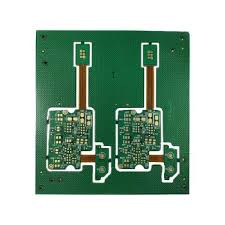
How are fast turn rigid flex pcbs manufactured?
With the design and materials in place, the manufacturing process can begin. It typically starts with the fabrication of the rigid sections of the PCB. This involves laminating together layers of FR4 substrate with copper foil and then etching away the unwanted copper to create the desired circuitry. Advanced techniques such as laser drilling and mechanical drilling may be used to create vias and through-holes for component mounting and interconnection.
Simultaneously, the flexible sections of the PCB are manufactured using a similar process. Multiple layers of flexible polyimide film are laminated together with copper foil and then selectively etched to create the required circuit patterns. Specialized techniques such as laser cutting may be employed to precisely define the shape and size of the flexible sections, ensuring a perfect fit within the final assembly.
Once the rigid and flexible sections of the PCB are fabricated, they are bonded together to form a single integrated unit. This is typically done using a combination of heat, pressure, and adhesive materials to ensure a strong and reliable bond between the different layers. Care must be taken during this process to prevent delamination or warping of the flexible materials, which could compromise the integrity of the PCB.
After the rigid-flex PCB is assembled, it undergoes a series of quality control checks to verify its performance and reliability. This may include electrical testing to ensure proper connectivity and signal integrity, as well as mechanical testing to assess the flexibility and durability of the flexible sections. Any defects or issues are identified and addressed before the PCB is deemed ready for use in electronic devices.
In conclusion, the manufacturing process of fast turn rigid-flex PCBs is a complex and highly specialized endeavor that requires expertise in design, materials science, and fabrication techniques. By carefully integrating rigid and flexible materials, engineers can create PCBs that offer the best of both worlds – the flexibility to meet the demands of modern electronic devices and the rigidity to ensure reliability and performance. As technology continues to advance, the manufacturing process of fast turn rigid-flex PCBs will undoubtedly evolve to meet the ever-changing needs of the electronics industry.