
Can Quick Turn Printed Circuit Boards Be Used in Underwater Applications?
Quick Turn Printed Circuit Boards Be Used in Underwater Applications
PCBs play a pivotal role in the design, manufacturing and assembly of high-quality, complex electronic products. They provide an essential communication channel between the circuitry and the devices it controls. They are also a key element in the operation of devices and robots used in remote marine applications, where they can encounter extreme temperatures and pressure. As a result, they need to be tough and well-made.
The quick turn PCB manufacturing process allows companies to meet their PCB production needs without compromising on quality or schedules. This process focuses on producing prototypes and small-scale production runs in a short timeframe, ensuring that customers are able to meet their deadlines and stay within budget.
There are a variety of ways that a company can use a quick turn printed circuit boards, but it is important to choose an experienced and reliable manufacturer who will be able to deliver on its promises. A good CM will be able to produce a high-quality, defect-free product at the right price, in the required time frame and in accordance with any codes or standards that may be applicable.
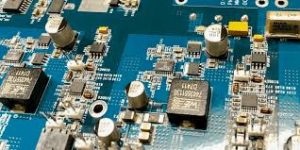
Can Quick Turn Printed Circuit Boards Be Used in Underwater Applications?
Choosing the right CM will also depend on where the manufacturer is located, as this can have an impact on the delivery times. Typically, the closer the CM is to the customer, the faster the turnaround. Additionally, the CM should be able to work with a wide range of materials, including different finishes and colors, and can support any custom assembly requirements that may be necessary.
Another factor that can affect the delivery time of a quick turn PCB is the complexity of the board. In general, more complex boards will take longer to produce than simple ones. However, there are certain factors that can help to minimize the production time, including selecting a reliable supplier, reducing the number of layers in the board and using a fast-track shipping option.
Once the PCB prototype has been assembled, the manufacturer will begin production on the final PCB. This step is crucial because it will allow the manufacturer to make any changes that might be necessary before committing to a full-scale production run. This will reduce the risk of costly reworks and ensure that the final product works as intended.
After fabrication, the focus shifts to component procurement. Fast turn assembly relies on efficient supply chain management to procure components promptly. With a network of trusted suppliers and real-time inventory monitoring systems, manufacturers can swiftly source the necessary components, minimizing lead times and mitigating supply chain risks. Additionally, strategic partnerships with component distributors and electronic manufacturing service (EMS) providers enable access to a vast selection of components, ensuring flexibility and agility in procurement.
The final assembling process can involve either surface mount or through-hole technology, depending on the requirements of the project. SMT involves placing the electrical components on the board’s surface, while through-hole assembles them by inserting leads into holes drilled on the PCB and soldering them. Many manufacturers offer both SMT and through-hole assembly services, so you should be able to find a solution that suits your needs.