
4 Types of Piano Transcription
Piano Transcription
Transcription involves listening to a piece of music and writing down its melody, harmony, and rhythm. It is often done for a variety of reasons. For example, it can be used to create a written score that a musician can use to practice the piece, or it may be necessary when the music is unavailable in a notation format. Music transcription can also be used to identify chord progressions and other structural aspects of the piece. It can even be used to create a detailed description of the performance.
There are four different types of piano transcription: frame-level, note-level, stream-level, and notation-level. In order to transcribe a musical passage, the transcriber must listen to it over and over again until he or she can clearly visualize what is being played. This process is very time consuming and requires a great deal of patience, but it can lead to an accurate representation of the music.
The next step in transcription is to note down the individual notes and their durations in a standard musical notation system. This is the most difficult part of the process, as it requires careful attention to detail and a familiarity with the notation system. Once the notes are transcribed, the musician can play the piece from the notation sheet and hear how it sounds. Then the transcription can be edited and improved to better match the original recording.
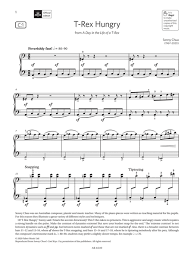
4 Types of Piano Transcription
This is where the final product really starts to come together. The transcriber can make changes to the phrasing, timing, and other stylistic choices. The most common change is adjusting the dynamics, but musicians often alter other parts of the score as well. For example, a musician might decide to add a fermata to indicate a stop on the violin or change the pitch of a high note to an A instead of a B to sound more harmonious with the rest of the orchestra.
Similarly, the piano is a much better instrument for expressing articulation than many other instruments. For example, a large florid arpeggiation is better suited to the piano than to any other instrument. In addition, a pianist can choose to sustain (or release) the notes for longer than they are marked on the sheet.
Another important aspect of a transcription is the choice of keys. Most pieces will be written in a specific key signature, but some will use flats or sharps throughout the piece. The transcriber must also consider the use of accidentals (notes that are not included in the key signature or earlier in a measure) when writing a transcription for a specific instrument.
For example, if a piece is scored in C major but contains a lot of flats, the transcriber will have to mark them all as sharps. This will change the overall tone of the piece and affect its timbre. This is one of the reasons why a good transcription is so valuable: it will allow a musician to play a piece in its intended key without having to think about the key signature.