
What’s the difference between laser engraving and etching?
laser engraving and etching
Many people looking to customize products often wonder about the difference between laser engraving and etching. While both processes are used to create permanent designs on a wide variety of materials, they work in different ways and produce slightly different results. Understanding these differences can help customers choose the best option for their needs, whether they are personalizing a gift, branding promotional products, or creating unique keepsakes. At Summit DTF Printing & Laser Engraving in Wilkes-Barre, PA, both individuals and businesses can count on expert guidance and high-quality results for their projects.
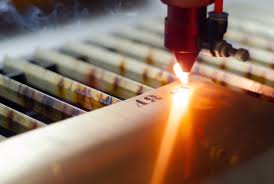
Laser engraving works by using a focused laser beam to cut or vaporize the surface of a material, leaving behind a deep, permanent mark. Because the laser penetrates into the material, engraving produces designs that are highly durable and resistant to fading, scratching, or wearing away. The depth of the engraving can vary depending on the settings and the material, which makes it a versatile method for everything from intricate text and logos to detailed graphics. This process is ideal for customers who want a sharp, long-lasting customization that adds value and sophistication to their items.
Laser etching, on the other hand, is a slightly different technique. Instead of cutting deeply into the material, the laser beam alters only the surface by melting or discoloring it. This results in a shallower mark compared to engraving, but it is still permanent and resistant to fading. Etching is often faster and can be used on materials where deep cuts are not practical, such as coated metals, certain plastics, or delicate items. The process is particularly effective for creating high-contrast designs that stand out clearly, even if they are not deeply engraved into the material.
What’s the difference between laser engraving and etching?
One of the main differences between Laser Engraving and etching is durability. While both are permanent, engraving tends to last longer in high-use situations because the design is recessed into the material itself. This makes it better for items like tools, tumblers, and signage that may face frequent handling or outdoor exposure. Etching, while still reliable, is often preferred for decorative items, plaques, or products where a lighter surface mark is sufficient. At Summit DTF Printing & Laser Engraving, clients can choose the method that best matches their project’s purpose and desired look.
Another difference is the level of detail and finish. Both engraving and etching allow for precise designs, but etching often produces a smoother surface mark, while engraving adds texture and depth. Customers who want a more subtle design may prefer etching, while those looking for bold and tactile results often choose engraving. In either case, the technology used ensures a high-quality finish that reflects professionalism and creativity. Summit DTF Printing & Laser Engraving specializes in tailoring each project to the customer’s goals, offering expert advice to ensure the right method is selected.
In conclusion, the choice between laser engraving and etching depends on the material, the intended use of the product, and the type of finish desired. Engraving provides depth and extreme durability, while etching offers speed and high-contrast designs with a smoother finish. For customers in Wilkes-Barre, PA, Summit DTF Printing & Laser Engraving delivers both services with precision and care, helping individuals and businesses create personalized products that stand out. Whether you need lasting branding or a decorative touch, both methods provide unique ways to bring designs to life.