
How Rigid Flex Circuits Are Made For Smartphones
Rigid Flex Circuits Are Made For Smartphones
The rapid growth of mobile devices with new and innovative features like foldable or curved displays has created a greater demand for PCBs that are flexible enough to fit these unique designs. The design, materials, and manufacturing of these circuit boards are different than standard PCBs and require specialized processes. This article will explore the step by step way that these cool circuits are made.
rigid flex circuits are hybrid printed circuit board technologies that combine the durability and reliability of rigid boards with the flexibility and design versatility of flexible boards. They are composed of rigid and flexible layers with conductive traces that connect the two. This allows them to bend and conform to the shape of a device, providing design freedom where other technology cannot.
These circuits are used in a wide range of electronic products including smart home devices, wearable electronics, industrial machinery and vehicle infotainment systems. They provide the flexibility to reduce the size of a device, eliminate the need for connectors and cables that can become failure points in electronic devices, and allow manufacturers to produce sleeker, more compact products.
The main advantage of using a flex circuit in a smartphone is that it enables manufacturers to create smaller and thinner devices that will appeal to consumers looking for lightweight, portable technology. It is also a cost effective alternative that can eliminate the need for multiple connections within the product, which in turn cuts down on logistical costs and assembly fees.
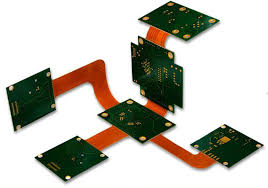
How Rigid Flex Circuits Are Made For Smartphones
Creating a flex circuit for smartphones requires the use of an advanced pcb layout software. One that includes integrated MCAD and ECAD tools in a unified program is the best choice. This will allow you to define your bending region in 3D, make changes and generate deliverables including Gerber files and assembly drawings. This will save you time and improve your productivity.
In addition, a good pcb design software should include a tool that allows users to make a flex PCB layout in a single window, which makes the process much more efficient and reduces manual routing. The unified design model of Altium Designer is the best option for this purpose. This tool includes all of these tools in a single program and combines them with an intuitive user interface that can be tailored to the needs of any electronics design engineer.
Whether you are designing a complex flexible pcb for a medical device, an industrial machine, or a consumer device, it’s important to use high-quality PCB materials and production processes. This will ensure that your finished product is safe and reliable for its intended application. It is crucial to avoid cheaper alternatives that may cut corners in the fabrication process, which can lead to thermal issues, electrical performance issues and mechanical damage over time. It is also critical to keep in mind that the lifespan of a flexible circuit depends on how well it holds up to rigorous testing and handling. It is therefore essential to choose a PCB manufacturer that offers robust testing and quality control services for their flex circuits.