
How does the material of propellers for drones impact performance and durability?
material of propellers for drones impact performance and durability
The material of propellers for drones plays a crucial role in their overall performance and durability. As the primary component that allows drones to fly, the material affects everything from flight efficiency to longevity and resistance to wear and tear. Understanding how different materials influence the performance of propellers for drones can help drone enthusiasts and professionals make informed decisions when selecting or designing their drones.
One of the most common materials used in propellers for drones is plastic, typically molded into lightweight blades. Plastic propellers are popular due to their cost-effectiveness and ease of manufacturing. These propellers provide decent performance for many consumer drones and beginner models. However, their performance can be limited by their tendency to flex and warp under stress, especially during high-speed flights or in windy conditions. This can lead to reduced efficiency, affecting battery life and the overall stability of the drone. Furthermore, plastic propellers tend to degrade more quickly when exposed to environmental factors like UV light, which can lead to a decrease in durability over time.
Carbon fiber is another material used in the construction of propellers for drones, particularly for higher-end models or those used in professional applications. Carbon fiber propellers are favored for their excellent strength-to-weight ratio, offering superior durability and performance compared to plastic options. The lightweight nature of carbon fiber reduces the strain on the drone’s motors, leading to better energy efficiency and longer battery life.
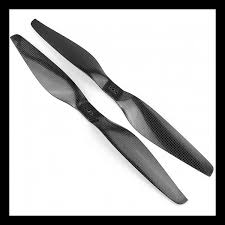
How does the material of propellers for drones impact performance and durability?
Additionally, carbon fiber propellers are less prone to bending, making them ideal for high-performance drones that need to maintain stability at high speeds. The material’s resistance to fatigue and cracking also enhances the longevity of the propellers, ensuring that they can withstand frequent use and challenging flight conditions.
Another material gaining popularity in the production of propellers for drones is composite materials, which combine carbon fiber with other elements like fiberglass or plastic. These composite propellers offer a balance between performance and cost. While they may not achieve the same level of strength and weight efficiency as pure carbon fiber, they provide a more affordable alternative with improved durability compared to plastic. Composite propellers are often used in mid-range drones, where a balance of performance, cost, and longevity is crucial.
Durability is not only influenced by the material but also by the design and manufacturing process. Propellers for drones that are precision-engineered, regardless of the material, are more likely to offer superior performance and resilience. High-quality propellers undergo rigorous testing to ensure that they can endure the forces experienced during flight, such as vibration, impact, and stress from wind resistance. Well-crafted propellers also contribute to smoother and quieter flights, which are essential for certain professional applications like aerial photography or surveying.
In conclusion, the material of propellers for drones significantly impacts both their performance and durability. Plastic propellers are cost-effective and adequate for casual or beginner drone users but may not offer the same level of performance and lifespan as carbon fiber or composite propellers. Carbon fiber propellers are ideal for high-performance drones, providing exceptional strength and durability. Composite materials strike a balance between performance and cost. Ultimately, the right choice of material will depend on the drone’s intended use, budget, and desired flight characteristics. By selecting the appropriate material, drone users can ensure that their propellers deliver optimal performance and stand the test of time.