
What is the role of a circuit board in electronics?
role of a circuit board in electronics
A circuit board, also known as a printed circuit board (PCB), plays a vital role in the world of electronics. It serves as the foundation that connects and supports all the electronic components in a device, facilitating the flow of electricity to enable the functionality of the electronic system. PCBs are found in nearly every electronic device, from smartphones and computers to home appliances and industrial machinery. Without circuit boards, modern electronics would not be able to operate in a compact, efficient, and reliable manner.
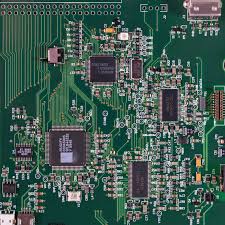
The primary role of a circuit board is to provide a platform for mounting electronic components such as resistors, capacitors, diodes, transistors, and integrated circuits (ICs). These components are strategically placed on the board and connected through conductive pathways made of copper, which are etched onto the board. These pathways act as electrical circuits, allowing signals and power to be transmitted between components. This interconnected structure replaces the need for bulky and unreliable wires, streamlining the design and improving the overall performance of the device.
Another critical function of a circuit board is to provide electrical insulation. The base of the circuit board is typically made from a non-conductive material such as fiberglass or epoxy resin, which prevents electrical shorts and ensures that the conductive pathways remain isolated. This insulation is essential to prevent unwanted electrical interference between components, which could cause malfunction or damage to the device. By keeping the electrical pathways organized and insulated, circuit boards ensure that electronic devices operate safely and efficiently.
What is the role of a circuit board in electronics?
In addition to providing physical support and electrical connectivity, circuit boards also contribute to heat management. Electronic components generate heat when they operate, and excessive heat can damage components or affect the device’s performance. Circuit boards are designed to help dissipate heat, either through the use of heat sinks, thermal vias, or special materials that conduct heat away from critical components. In some cases, multi-layered PCBs are used, where different layers of the board are dedicated to power, signals, and heat dissipation. This efficient design ensures that electronic devices can run for extended periods without overheating.
Moreover, circuit boards allow for mass production and miniaturization of electronics. The standardized design and manufacturing processes used in PCB production make it possible to create complex circuits with high precision and consistency. This has led to the development of smaller, more powerful electronic devices that can perform increasingly complex tasks. As technology advances, circuit boards have become more intricate, incorporating advanced features such as surface-mount technology (SMT), which allows for even smaller components to be attached to the board.
The reliability of circuit boards is another key reason why they are so crucial in electronics. Modern PCBs are built to last, with robust materials and advanced manufacturing techniques that ensure long-term performance. This reliability is essential in devices where failure is not an option, such as medical equipment, automotive systems, and aerospace electronics. The ability to withstand harsh conditions, including extreme temperatures, vibrations, and moisture, makes circuit boards indispensable in critical applications.
In summary, the role of a circuit board in electronics is multifaceted. It provides a stable platform for mounting components, ensures efficient electrical connectivity, insulates and organizes electrical pathways, aids in heat dissipation, and facilitates mass production and miniaturization. These functions are essential for the development and operation of modern electronic devices, making circuit boards one of the most fundamental components in the world of electronics. Without them, the technological advancements we enjoy today would not be possible.