
How does IPCA610 standard apply to Printed circuit board assembly companies?
IPCA610 standard apply to Printed circuit board assembly companies
The IPC-A-610 standard, published by the Association Connecting Electronics Industries (IPC), is a widely recognized guideline that establishes acceptability criteria for the assembly of electronic assemblies, including printed circuit boards (PCBs). This standard plays a crucial role in the operations of printed circuit board assembly (PCBA) companies by providing a comprehensive framework for evaluating the quality and reliability of PCB assemblies. Understanding how the IPC-A-610 standard applies to PCBA companies is essential for ensuring compliance with industry best practices and meeting the expectations of customers and stakeholders.
One key aspect of the IPC-A-610 standard is its detailed criteria for evaluating the acceptability of various aspects of PCB assemblies, including solder joints, component placement, and overall workmanship. The standard provides visual illustrations and descriptions of acceptable and unacceptable conditions, allowing inspectors and quality assurance personnel to make informed judgments during the inspection process. By adhering to the criteria outlined in IPC-A-610, PCBA companies can ensure that their products meet the required quality standards and perform reliably in the field.
Moreover, the IPC-A-610 standard establishes different classes of PCB assemblies based on their intended application and performance requirements. These classes, ranging from Class 1 (general electronic products) to Class 3 (high-performance electronic products), provide a standardized framework for assessing the quality and reliability expectations for printed circuit board assembly companies across various industries. PCBA companies must determine the appropriate class for their products based on factors such as end-use environment, reliability requirements, and customer specifications. Adhering to the class-specific requirements outlined in IPC-A-610 ensures that PCB assemblies meet the necessary performance standards for their intended application.
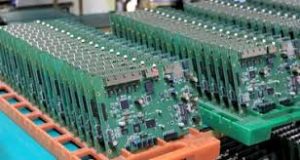
How does IPCA610 standard apply to Printed circuit board assembly companies?
Additionally, the IPC-A-610 standard emphasizes the importance of continuous improvement and process control in PCB assembly operations. The standard encourages PCBA companies to implement robust quality management systems, including process controls, documentation procedures, and training programs, to ensure consistent adherence to the acceptability criteria outlined in IPC-A-610. By establishing clear processes and procedures, companies can minimize variability, reduce defects, and improve overall product quality. Furthermore, IPC-A-610 provides a common language and framework for communication between PCBA companies, customers, and suppliers, facilitating collaboration and alignment throughout the supply chain.
Furthermore, IPC-A-610 certification is often a requirement for PCBA companies seeking to demonstrate their commitment to quality and reliability to customers and stakeholders. Achieving certification involves comprehensive training, testing, and evaluation of personnel, processes, and facilities to ensure compliance with the requirements of IPC-A-610. Certification provides assurance to customers that PCB assemblies manufactured by certified companies meet the highest industry standards for quality and reliability. It also enhances the credibility and reputation of PCBA companies in the marketplace, helping to attract new business opportunities and build long-term customer relationships.
In conclusion, the IPC-A-610 standard is a critical reference document for printed circuit board assembly companies, providing guidelines and criteria for evaluating the quality and reliability of PCB assemblies. By adhering to the requirements outlined in IPC-A-610, PCBA companies can ensure that their products meet industry best practices and customer expectations. The standard promotes continuous improvement, process control, and collaboration throughout the supply chain, driving excellence and innovation in PCB assembly operations. IPC-A-610 certification further demonstrates a company’s commitment to quality and reliability, enhancing its competitiveness and reputation in the global marketplace.